What does a 79-year-old woman living in the Bronx have in common with a 79-year-old woman living in Wyoming if neither can get to her medical appointment?
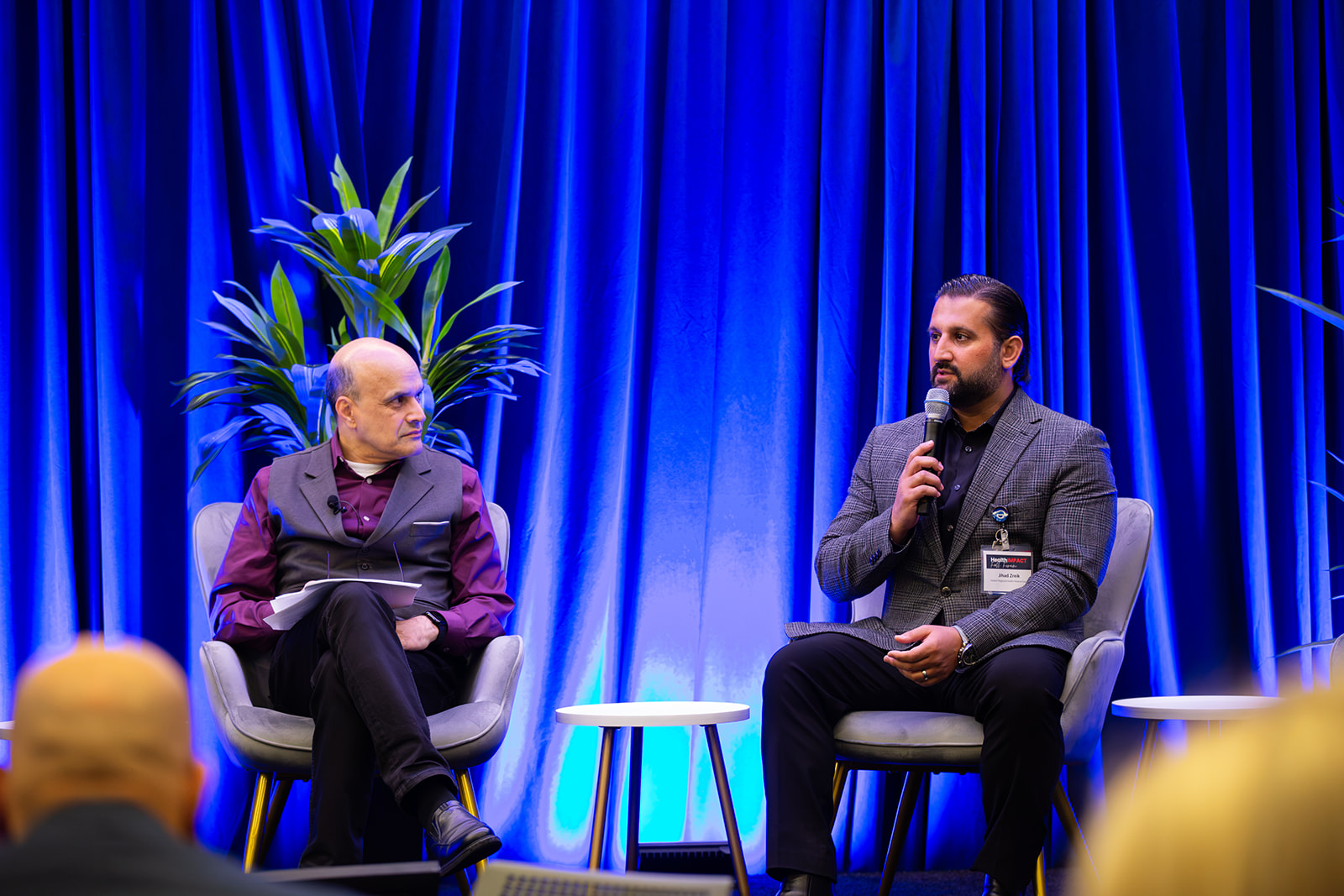
Jihad Zreik, Chief Executive Officer of Hudson Regional Health Medical Group, raised this question during the HealthIMPACT Fall Forum panel on the $50 billion Rural Health Transformation Program, which lists technology for prevention and chronic disease management among its priorities. The conversation was about reaching patients across distance, but Jihad’s example challenges the way we think about patient access. One woman may live minutes from a hospital, surrounded by healthcare resources, while the other may live miles from the nearest provider. Their circumstances are very different, yet both are facing the same problem: they can’t get the care they need.
We can know where a patient lives, what conditions they have, which medications they take, and when they last saw their provider, but that information doesn’t necessarily explain what’s preventing them from receiving care.
A missed appointment might appear as a scheduling issue in a medical record when the real problem is transportation, mobility, or something the patient hasn’t felt comfortable sharing. And if we don’t understand what’s standing in the way, how effectively can we help?

Are We Measuring What Matters?
Throughout the discussion, Jihad challenged the assumptions behind how healthcare measures success. One of his most memorable examples was a metric his teams used to evaluate patient experience.
“How many smiles per patient per visit did we have? And it sounds like a very qualitative metric. But it’s very quantitative.”
It’s an unexpected question in an industry where performance is typically measured through clinical outcomes, utilization, reimbursement, and operational efficiency. Yet it raises an interesting point about how much of the patient experience those traditional measures actually capture.
A patient might attend every appointment and still feel confused about their treatment, while another might understand their care plan but struggle to follow it because of circumstances their provider doesn’t know about.
Jihad wasn’t suggesting that smiles replace clinical outcomes. His example invites us to consider whether we’re measuring everything that matters to the people receiving care.
That question becomes particularly important when we think about what happens between appointments, when patients are managing their conditions without a provider sitting across from them.

The Difference Between Knowing and Understanding
For someone living with a chronic condition, a lot can happen between visits. Symptoms change, medications cause side effects, and concerns arise that patients may not recognize as important enough to report.
During the panel, Jihad described approaching care management by working backward from the ideal patient experience rather than simply improving existing workflows.
“We made sure our care managers were actually care navigators,” he explained.
It’s a distinction that gets to the heart of his message. Care navigation requires more than monitoring clinical information; it means developing relationships that help care teams understand what’s happening in a patient’s life and recognize when support is needed.
“I’d emphasize the patient partnership. That’s where care management works effectively,” Jihad noted.
Those relationships become even more important as healthcare organizations adopt increasingly sophisticated technology. We have better tools for identifying risk and recognizing patterns, but knowing that a patient needs attention doesn’t automatically tell us what to do next.
“In the age of AI, I think we have this misleading notion that our technology can facilitate our execution, and frankly, it doesn’t.”
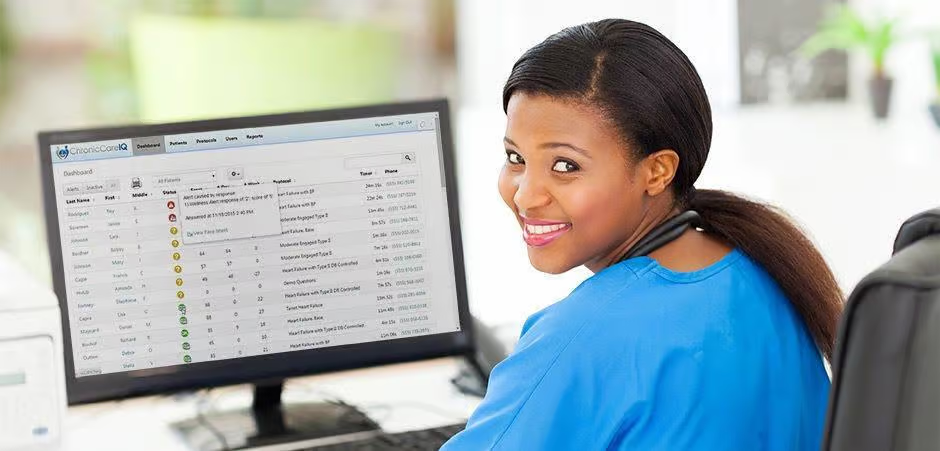
Jihad spoke from experience, referencing previous organizations where his teams scaled chronic care management programs to more than 100,000 patients with support from technology platforms, including ChronicCareIQ. He also acknowledged ChronicCareIQ’s role as a design partner in helping build those programs.
His comments highlight an important distinction: technology can help care teams recognize which patients need attention, but it’s the people delivering care who must understand why and determine how to respond.
Consider the two women from the beginning of the discussion. A system might identify both as patients who have missed appointments, but the next step depends on understanding what each woman is experiencing.
For the woman in the Bronx, the barrier might not be distance at all. She could live minutes from a hospital but struggle to get down four flights of stairs. Without asking, her care team might never know why she’s missing appointments. Regular check-ins could bring that challenge to light and help her providers explore alternative ways to deliver care.
For the woman in Wyoming, the challenge might be a long drive to the nearest provider. Remote monitoring and regular communication with her care team could help her stay connected between visits, making it easier to recognize when an in-person appointment is necessary.
Both women face the same problem, but their needs are entirely different. Recognizing those differences is where better care begins.
Jihad offered an encouraging perspective on where healthcare is heading: “I think we’re finally moving into an era where it’s starting to be designed for patients.”
Getting there requires more than collecting information. It means using what we learn to ask better questions, recognize challenges that might otherwise go unnoticed, and make care more responsive to the people receiving it.
Because sometimes the most important information about a patient is what we haven’t thought to ask.
Inspired by Jihad’s remarks at the HealthIMPACT Fall Forum on October 7, 2026. Watch the full panel discussion.