Remote Patient Monitoring Software That Scales Beyond Devices

ChronicCareIQ helps high-volume Medicare practices monitor physiologic patient signals between visits and identify concerning trends sooner, without locking practices into proprietary devices.
4.8
800+ unsolicited patient reviews

What is Remote Patient Monitoring?

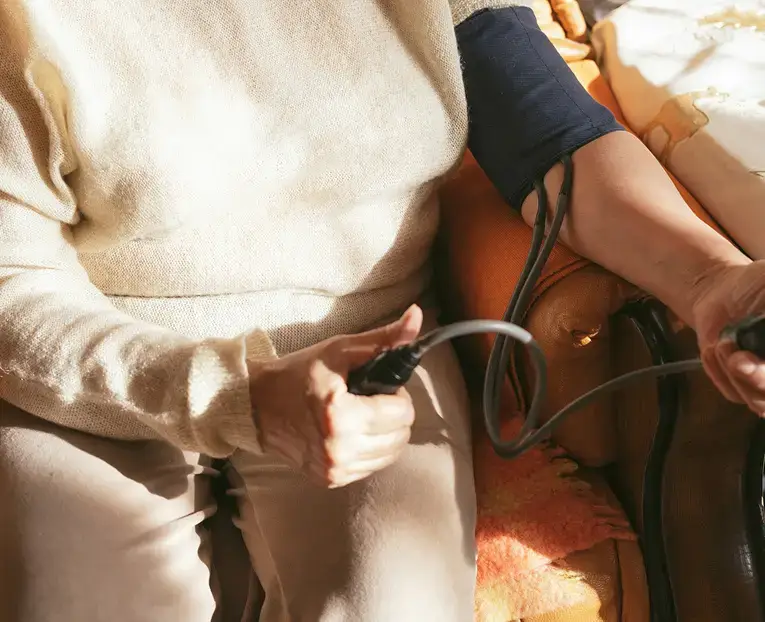
Remote Patient Monitoring uses connected devices to collect physiologic patient data between visits, such as blood pressure, weight, glucose, pulse oximetry, and other device-based readings. RPM helps care teams identify concerning changes earlier while supporting reimbursement for eligible monitoring and treatment-management activity.
Patients with acute or chronic conditions that require physiologic monitoring between visits, such as hypertension, heart failure, COPD, diabetes, or post-discharge risk, using connected devices that collect and transmit readings.
RPM reimbursement varies by payer, geography, documentation, device use, and treatment-management activity. Treatment management may reimburse around $51/month for 99457, with additional reimbursement available for device setup, supply, data transmission, and add-on management time. See the full breakdown below.

RPM Shouldn’t Create Another Device Data Workflow

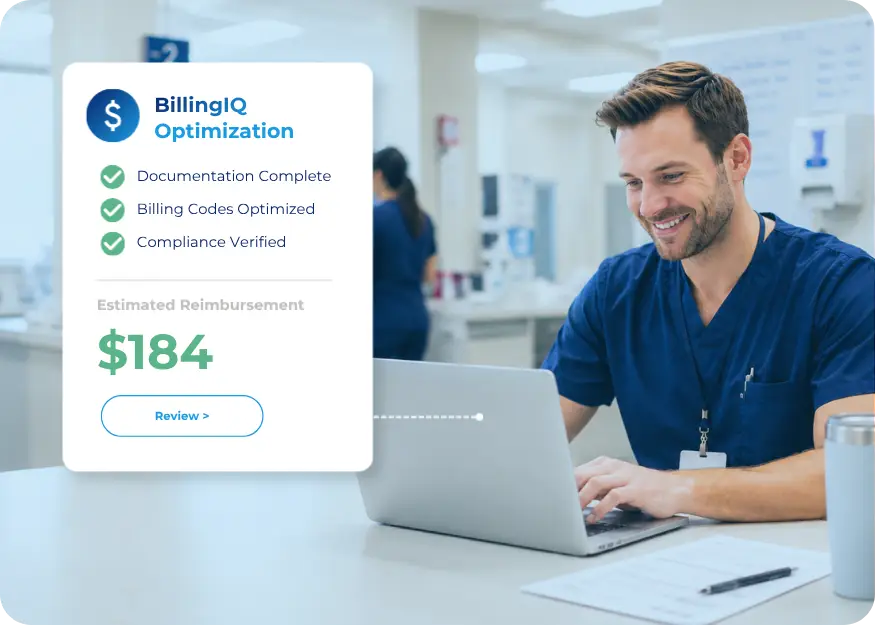
RPM gives practices more visibility between visits, but every enrolled patient also adds device setup, readings, alerts, follow-up, documentation, treatment-management time, and billing requirements.

Unlike RPM vendors that lock practices into proprietary devices, ChronicCareIQ integrates with the devices you and your patients already use, keeping RPM connected to CCM, PCM, APCM, RTM, and TCM in one platform while reducing disruption for patients and staff.

How ChronicCareIQ Simplifies RPM

ChronicCareIQ helps practices scale RPM in house by bringing physiologic monitoring, patient follow-up, documentation, and billing workflows into one platform. Teams can spot concerning trends, prioritize outreach, support reimbursement, and document activity without being locked into proprietary devices.
Identify, Enroll & Organize RPM Patients

Set patients up for physiologic monitoring, capture baseline readings. ChronicCareIQ integrates with existing device ecosystems where supported, to reduce disruptions.
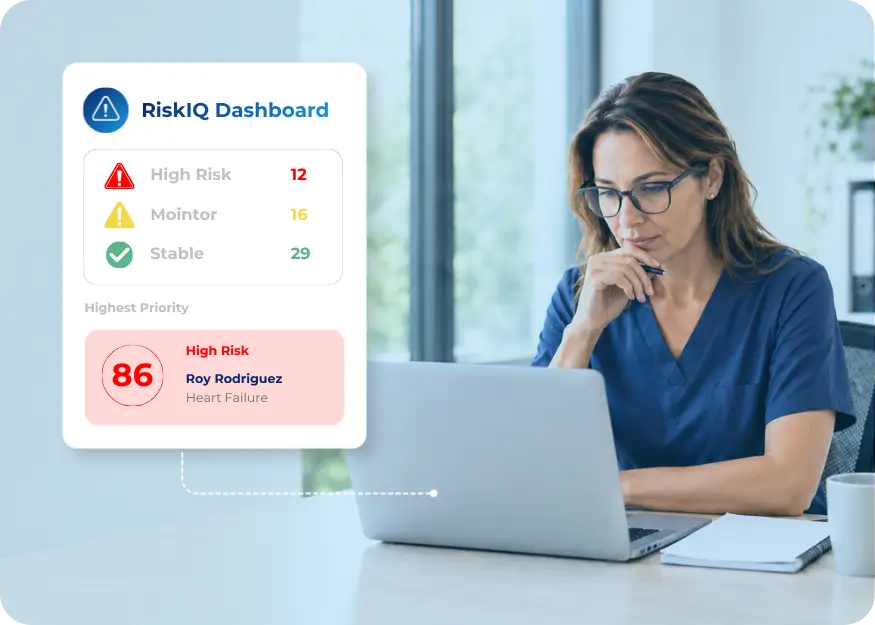
RiskIQ automatically detects rising patient risk in care programs

Identify Deteriorating Physiologic Trends Earlier

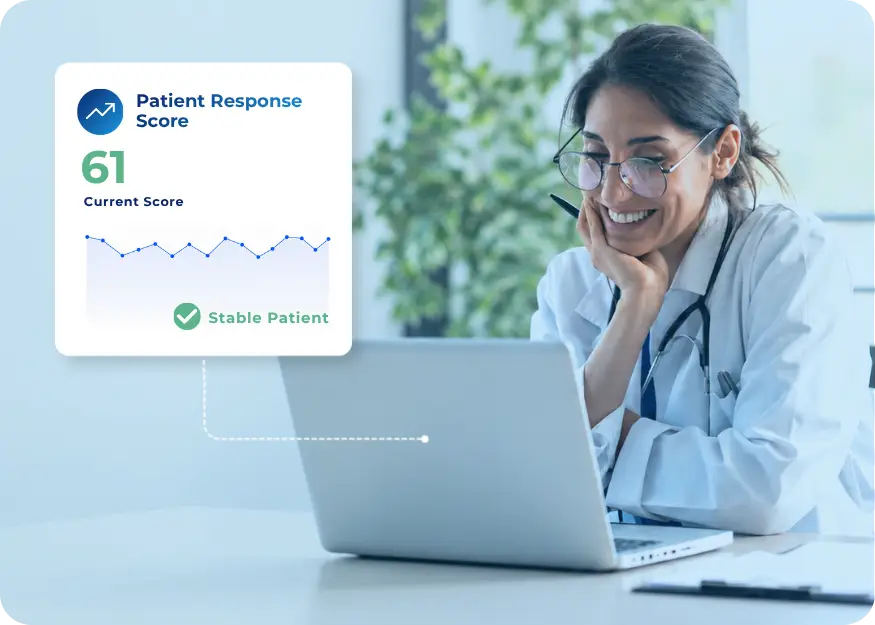
RiskIQ automatically detects rising critical-event risk in patients, helping care teams prioritize patients who need attention right now.

Capture & Document Reimbursable RPM Activity

ChronicCareIQ captures qualifying care activity and organizes audit-defensible documentation as your team follows up.
Leverages the EHR, phone systems, and connected devices your practice already uses.

Connected Devices ChronicCareIQ Supports

Blood pressure monitors, weight scales, glucometers, pulse oximeters, and other connected devices can feed readings into ChronicCareIQ workflows through supported device partners.

Already have devices or a preferred partner?

ChronicCareIQ can help determine how our RPM solution fits into your existing care-team workflow.

Why Care Management Programs Fail As They Grow

How Much Do RPM
CPT Codes Reimburse?

**Estimated 2026 national non-facility Medicare reimbursement. Actual reimbursement varies by geography, payer, site of service, patient eligibility, documentation, and billing circumstances. This content is educational and is not billing, coding, or legal advice.

See Your Reimbursement Potential

Enter your NPI and we'll estimate the recurring monthly revenue your practice could generate from CCM and other programs — based on your real patient population.
Don't Know Your NPI #? Click Here

Designed for scalable monitoring between visits

371 RPM patients managed at a 98% billing percentage

LACVT used RPM workflows through ChronicCareIQ to identify abnormal vital signs early, including transient ischemic attacks before strokes.

“We’re able to capture the work we were doing before, but just didn’t have the tools to capture. The integration with our EHR, athenahealth, works beautifully, and makes our billing easier so there’s less work for our in-house billers. Plus, patients just love it.”
Lori Francis, Clinical Director

Earlier visibility into physiologic changes between visits

RPM Maps To The Vitals You Already Watch

The signals that matter most differ by specialty. See how RPM fits the patients you manage.

When Patients Engage, Care Programs Scale

4.8 stars. 800+ patient reviews. Every rating below is unsolicited.
No incentives. No campaigns.

FAQ

RPM monitors physiologic patient data such as blood pressure, weight, blood glucose, pulse oximetry, and other device-based readings. RTM focuses on non-physiologic therapy data such as adherence, symptoms, pain, functional response, or respiratory therapy response.
RPM is often a strong fit for patients with chronic or high-risk conditions where physiologic trends need to be monitored between visits. Common examples include hypertension, heart failure, diabetes, COPD, and other conditions where changes in readings may require earlier care-team intervention.
RPM generally relies on connected medical devices that collect physiologic data. Some vendors require practices to use their proprietary devices, but ChronicCareIQ is designed to integrate with the devices and workflows practices already have in place, helping reduce disruption for patients and staff.
ChronicCareIQ can help practices keep using existing RPM devices instead of forcing a device replacement. This gives practices more flexibility, reduces patient disruption, and helps avoid the operational burden of moving patients onto a new device ecosystem.
Many practices run RPM alongside other care-management programs, but billing depends on patient eligibility, payer rules, timing, documentation, and avoiding duplicate counting of the same activity. ChronicCareIQ helps keep these programs connected in one platform so practices can manage patient engagement, monitoring, documentation, and reimbursement workflows more consistently.
ChronicCareIQ is designed to support in-house care teams by organizing physiologic readings, patient communication, documentation, alerts, and reimbursement workflows. If partner support is available, it can be positioned as an optional extension rather than a requirement.
RPM gives care teams visibility into physiologic trends between office visits. Instead of waiting for the next appointment, practices can identify concerning readings or patterns earlier and determine when outreach, education, medication review, or provider escalation may be appropriate.
ChronicCareIQ helps centralize device data, patient communication, documentation, and reimbursement workflows so RPM does not become another disconnected manual process. The goal is to make RPM easier to manage at scale while supporting compliance and operational visibility.

Build a modern, 
Scalable RPM program

ChronicCareIQ patient dashboard showing a list of patients with their risk status — with color-coded status indicators highlighting patients at high risk (red), moderate risk (yellow), and stable (green).