
Chronic Pain Management Software For Structured Pain Care

ChronicCareIQ helps high-volume Medicare practices manage chronic pain patients with while reducing manual administrative burden, and capturing reimbursement for care you already provide.
4.8
800+ unsolicited patient reviews

What is Chronic Pain Management?

Chronic Pain Management reimburses practices for ongoing pain assessment, medication management, care coordination, and person-centered care planning for patients experiencing persistent or recurrent pain.
Female patient experiencing toothache, discussing her discomfort with a dentist in a dental clinic during a thorough examination
Patients experiencing chronic pain that persists or recurs for longer than three months and requires ongoing assessment, management, care planning, or coordination between visits.
Around $86/month for the base chronic pain management bundle, G3002, plus add-on reimbursement for additional time with G3003. See the full breakdown below.

Chronic Pain Care Creates Manual Work That’s Easy To Underdocument

Chronic pain does not fit neatly into a single visit. Patients may need recurring pain assessment, medication review, care-plan updates, functional-status check-ins, coordination with other providers, patient education, and ongoing communication between visits.

When that work is spread across calls, EHR notes, task lists, and manual follow-up, care teams can easily lose visibility into how patients are doing and what work has been completed to support them.

How ChronicCareIQ Simplifies CPM

ChronicCareIQ helps practices operationalize CPM around recurring pain assessment, patient communication, care-plan updates, documentation, and reimbursement.
Identify, Enroll & Organize CPM Patients​

Help care teams manage patients experiencing persistent or recurrent pain through structured monthly care-management workflows.
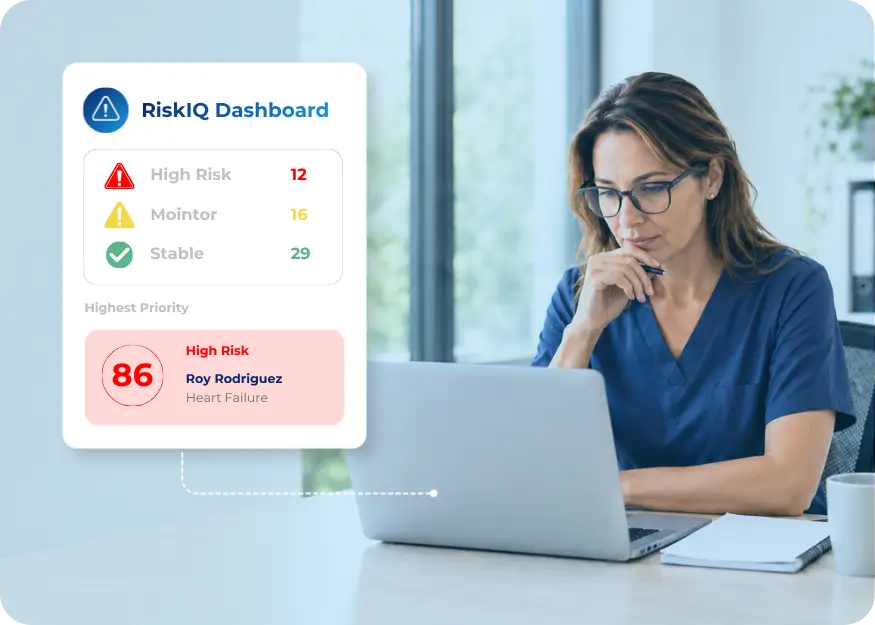
RiskIQ automatically detects rising patient risk in care programs

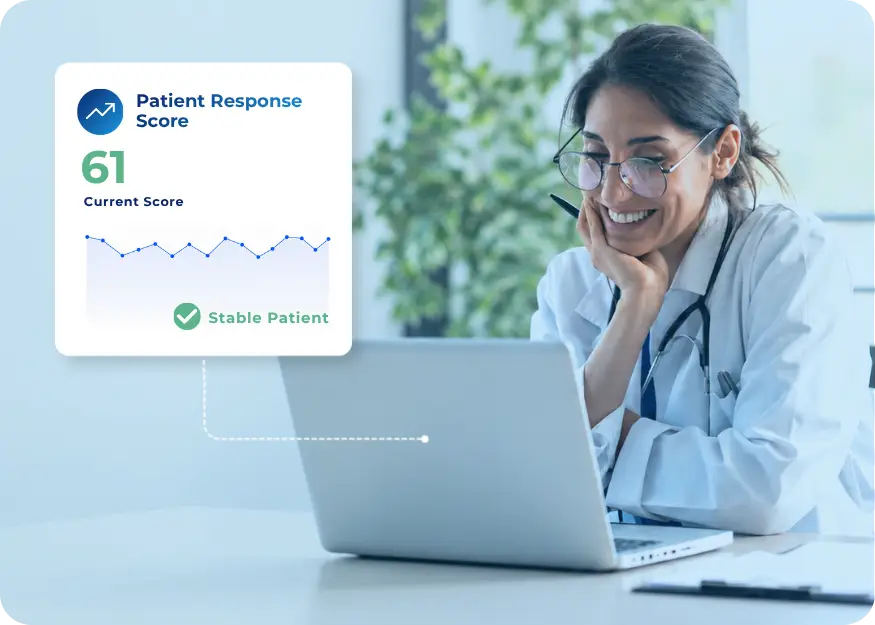
Track Pain Status & Follow-Up Needs Between Visits

RiskIQ automatically detects rising critical-event risk in patients, helping care teams prioritize patients who need attention right now.

Automatically Capture & Document CPM Activity

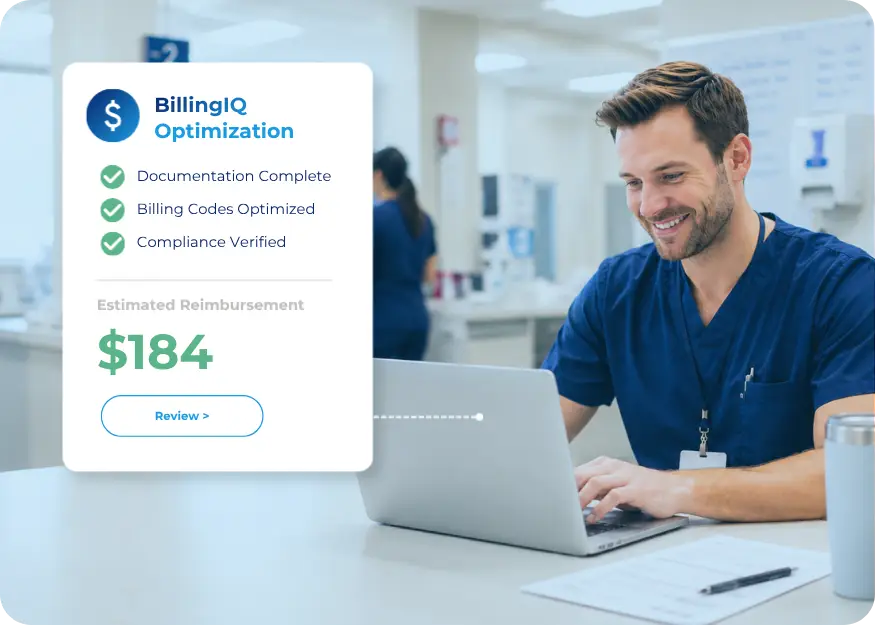
ChronicCareIQ captures qualifying CPM activity and organizes audit-defensible documentation as your team follows up.
Leverages the EHR, phone systems, and connected devices your practice already uses.

Why Care Management Programs Fail As They Grow

How Much Do CPM
CPT Codes Reimburse?

**Estimated 2026 national non-facility Medicare reimbursement. Actual reimbursement varies by geography, payer, site of service, patient eligibility, documentation, and billing circumstances. This content is educational and is not billing, coding, or legal advice.

See Your Reimbursement Potential

Enter your NPI and we'll estimate the recurring monthly revenue your practice could generate from CPM and other programs — based on your real patient population.
Don't Know Your NPI #? Click Here

Supporting structured chronic pain management between visits

Simplified reimbursement for ongoing chronic pain care

ChronicCareIQ helps practices consolidate monthly CPM documentation, patient-management activity, and reimbursement workflows inside one platform with audit-defensible records.

Improved visibility between patients and care teams

“The app keeps me aware of my vitals that can impact my health conditions. It also keeps me in closer contact with my doctor's office without having to go in to the clinic.”
B. Walton, patient

CPM Fits Wherever Chronic Pain Is Managed

Persistent and recurrent pain shows up across specialties, from primary care to neurology. See how CPM supports the patients you treat.

When Patients Engage, Care Programs Scale

4.8 stars. 800+ patient reviews. Every rating below is unsolicited.
No incentives. No campaigns.

FAQ

CPM supports ongoing care management for patients with persistent or recurrent chronic pain, lasting more than 3 months. CCM supports non-face-to-face care management for patients with two or more chronic conditions expected to last at least 12 months. Some patients may have care needs that involve multiple programs, but billing depends on patient eligibility, payer rules, timing, documentation, and avoiding duplicate or incompatible billing.
CPM may be relevant for primary care, multispecialty, pain management, orthopedics, neurology, rheumatology, physical medicine and rehabilitation, and other practices managing Medicare patients with persistent or recurrent pain that requires ongoing care planning and follow-up.
CPM workflows may include pain assessment, medication review, care-plan updates, patient communication, functional-status follow-up, coordination with other providers, patient education, and documentation of qualifying care-management activity.
CPM workflows may involve providers, qualified health professionals, and care-team staff depending on the billing model, staffing structure, scope of practice, documentation requirements, and payer rules.
ChronicCareIQ helps practices organize patient-reported pain status, follow-up needs, patient communication, care-plan activity, medication-management support, documentation, and reimbursement workflows in one connected platform.
CPM includes time-based requirements, but practices still need clear documentation supporting eligibility, patient communication, care coordination, care-plan activity, and billing requirements. ChronicCareIQ helps keep that documentation connected and easier to review.
ChronicCareIQ helps organize qualifying patient communication, care coordination, medication-management support, care-plan activity, and program documentation into clearer records that support internal review and payer audit readiness.

Build a modern, 
Scalable CPM program

ChronicCareIQ patient dashboard showing a list of patients with their risk status — with color-coded status indicators highlighting patients at high risk (red), moderate risk (yellow), and stable (green).