
PCM Software For Focused Single-Condition Care

ChronicCareIQ helps high-volume Medicare practices manage patients with one high-risk chronic condition between visits, maintain condition-specific visibility, and capture reimbursable PCM activity while reducing manual administrative work.
4.8
800+ unsolicited patient reviews

What is Principal Care Management?

Principal Care Management reimburses providers, often specialists, for managing a single high-risk chronic condition between visits through disease-specific care planning, patient communication, and ongoing clinical management.
Patients with one complex chronic condition expected to last at least three months and requiring ongoing management, frequent adjustment, or disease-specific care coordination.
Around $87/month when provider-delivered (99424) or around $67/month when clinical-staff-delivered (99426), plus payment for add-on time. See the full breakdown below.

One High-Risk
Condition Creates
Many Loose Ends

A single serious condition can create most of the patient’s risk between visits; requiring follow-up, medication / treatment adjustments, care-plan updates, coordination with other providers, and more.

Without a connected PCM workflow, those activities get scattered across calls, EHR notes, tasks, and follow-up processes.

How ChronicCareIQ Simplifies PCM

For specialty practices, PCM becomes difficult to scale when one serious condition creates a steady stream of follow-up, medication or treatment adjustments, care-plan updates, provider coordination, and documentation work between visits.

ChronicCareIQ helps practices manage high-risk single-condition care in house by keeping patient visibility, condition-specific follow-up, documentation, and reimbursement connected in one scalable workflow.

Identify & Enroll Eligible Patients

Enroll eligible patients with chronic conditions, and organize patient panels around the ongoing follow-up needs your care team already uses.
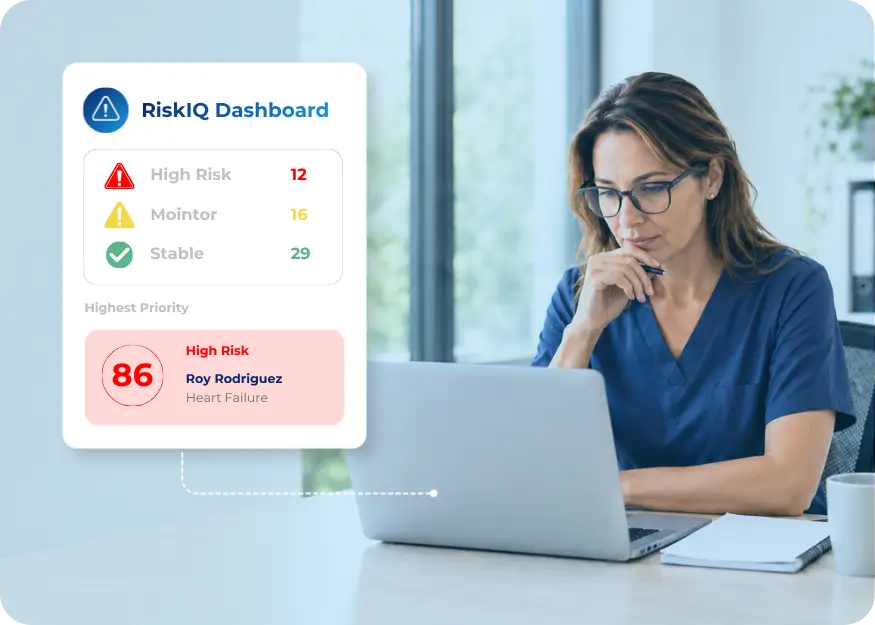
RiskIQ automatically detects rising patient risk in care programs

Monitor The Condition Creating The Most Risk Between Visits

ChronicCareIQ’s color-coded RiskIQ dashboard helps care teams prioritize condition-specific changes and identify PCM patients who may require follow-up. 

Capture & Document PCM Activity

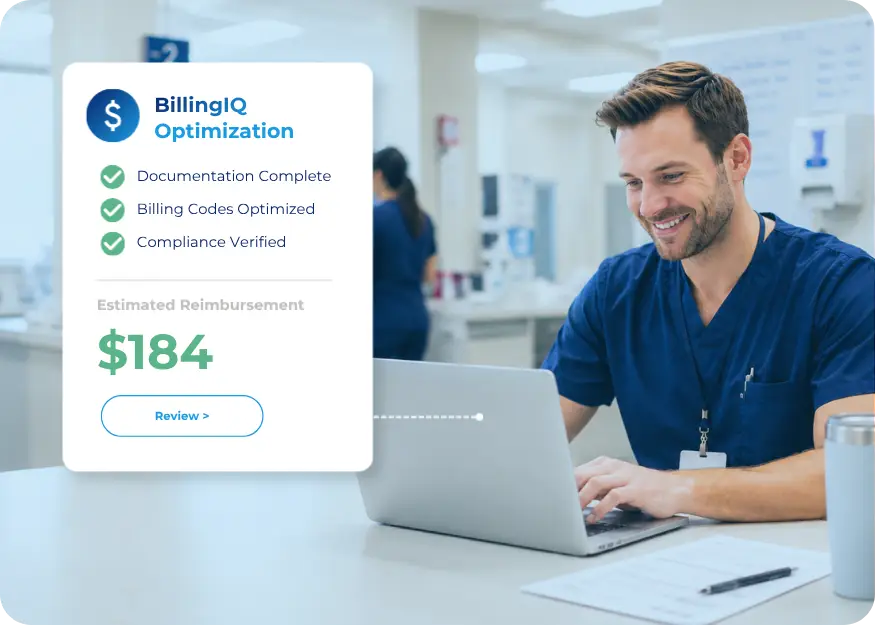
ChronicCareIQ captures qualifying care activity and organizes audit-defensible documentation as your team follows up.
Leverages the EHR, phone systems, and connected devices your practice already uses.

Why Care Management Programs Fail As They Grow

How Much Do PCM
CPT Codes Reimburse?

**Estimated 2026 national non-facility Medicare reimbursement. Actual reimbursement varies by geography, payer, site of service, patient eligibility, documentation, and billing circumstances. This content is educational and is not billing, coding, or legal advice.

See Your Reimbursement Potential

Enter your NPI and we'll estimate the recurring monthly revenue your practice could generate from PCM and other programs — based on your real patient population.
Don't Know Your NPI #? Click Here

Capturing Reimbursement For Focused Condition Management

$146/hour in reimbursable chronic care revenue

Advanced Medical Care used ChronicCareIQ to support care-management workflows across 2,100 patients with primarily cardiac conditions, helping the practice document and capture reimbursable activity tied to complex condition management.

“You need to make sure your vendor-partner understands all the nuances of chronic care management. ChronicCareIQ is just leaps and bounds above the rest.”
Dina Lemkova-Seryy, MS, Nurse Practitioner

PCM Is Made For Single-Condition Specialists

PCM is designed for the one high-risk condition driving most of a patient’s risk between visits. See how it supports the conditions your specialty manages.

When Patients Engage, Care Programs Scale

4.8 stars. 800+ patient reviews. Every rating below is unsolicited.
No incentives. No campaigns.

FAQ

PCM supports management of one specific high-risk chronic condition. CCM supports non-face-to-face care management for patients with two or more chronic conditions expected to last at least 12 months. ChronicCareIQ can help your practice evaluate which program fits your patients’ condition profile, documentation, and reimbursement strategy.
PCM and CCM have different patient criteria and billing restrictions. Practices should evaluate patient eligibility, payer rules, timing, and documentation before billing either program. ChronicCareIQ helps organize program activity so your team can evaluate the right care-management path for each patient.
PCM is often relevant for specialty practices managing serious single conditions, such as cardiology, pulmonology, nephrology, oncology, neurology, or other disease-specific programs where patients need ongoing condition management between visits.
ChronicCareIQ helps teams organize condition-specific follow-up, care-plan updates, patient communication, documentation, and reimbursement activity in one connected workflow.
Many practices run multiple care-management programs, but billing depends on patient eligibility, payer rules, timing, documentation, and avoiding duplicate counting of the same activity. ChronicCareIQ software helps organize workflows and documentation so practices can evaluate the right program mix.
Both provider-delivered and clinical-staff-delivered PCM workflows can be supported, depending on the billing model, staffing structure, and documentation requirements.

Build a modern, 
Scalable PCM Program

ChronicCareIQ patient dashboard showing a list of patients with their risk status — with color-coded status indicators highlighting patients at high risk (red), moderate risk (yellow), and stable (green).