
Connect behavioral health coordination to the rest of your care programs​

Coordinate behavioral health care, patient follow-up, and psychiatric consultation between visits—and capture reimbursement for the care your teams are already providing.​
4.8
800+ unsolicited patient reviews

What is Behavioral Health Integration?

Behavioral Health Integration reimburses practices for structured behavioral health care management between visits. Collaborative Care Management is a more structured model that includes a behavioral health care manager and psychiatric consultant.
Patients with behavioral health conditions who need ongoing care coordination, monitoring with validated rating scales, and in CoCM, psychiatric consultation.
Around $57/month for general BHI (99484) and an initial payment of around $160 for the first month of Collaborative Care, then varying amounts for subsequent months and add-on time. See the full breakdown below.

Behavioral Health Follow-Up Gets Lost Between Care Teams

Behavioral health needs rarely stay separate from medical care. Patients may need symptom follow-up, screening review, medication coordination, care-plan updates, psychiatric consultation, and ongoing support between visits.

Without a connected BHI or CoCM workflow, that work gets scattered across calls, notes, tasks, rating scales, referrals, and handoffs between medical and behavioral health teams.

How ChronicCareIQ Simplifies BHI & CoCM

Coordinate Behavioral
Health Outreach

Support patient enrollment, follow-up, and behavioral health coordination in one connected workflow.
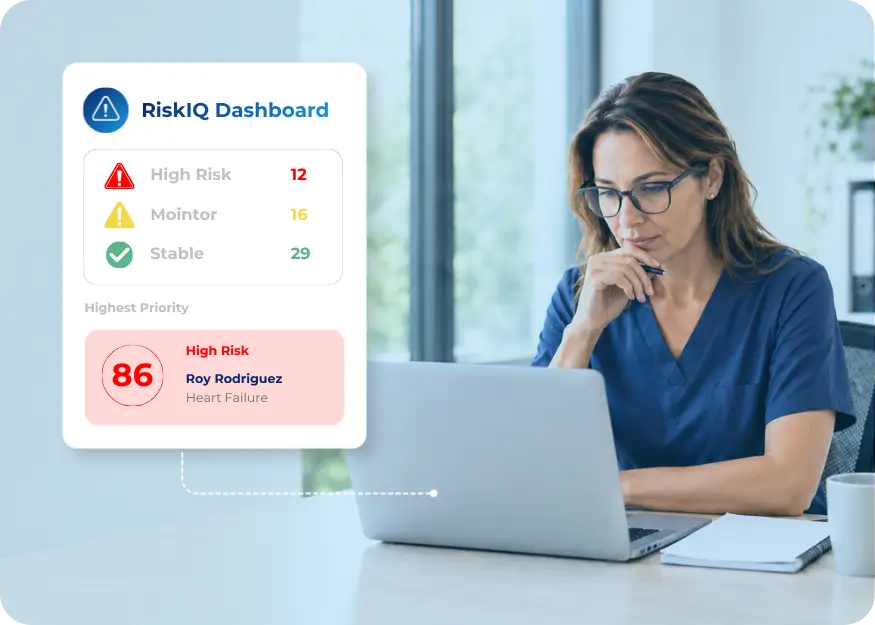
RiskIQ automatically detects rising patient risk in care programs

Track Patient Progress Over Time

The RiskIQ dashboard helps care teams prioritize condition-specific changes and identify BHI-CoCM patients who need additional behavioral-health follow-up.

Capture Collaborative-Care Reimbursement

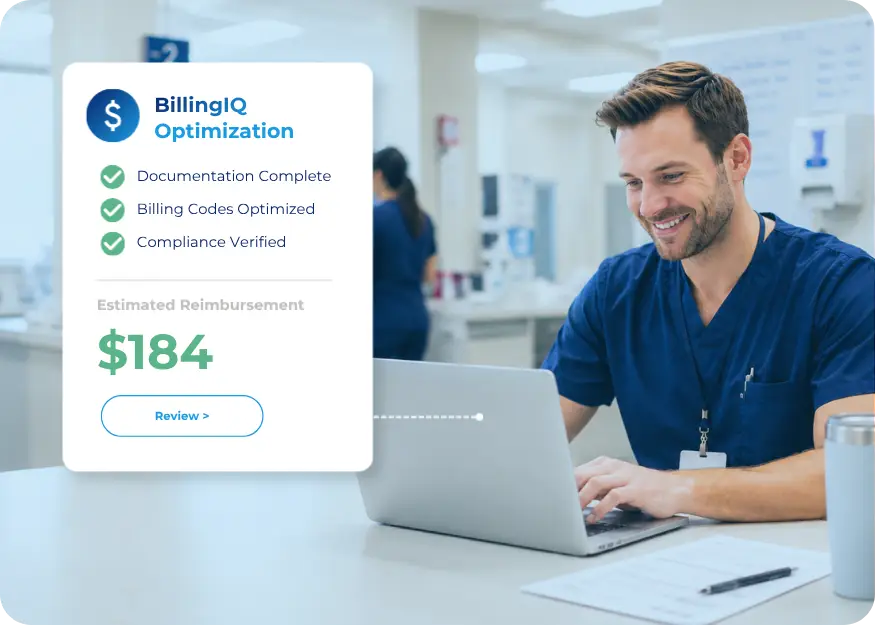
ChronicCareIQ captures qualifying care activity and organizes audit-defensible documentation as your team follows up.​
Leverages the EHR, phone systems, and connected devices your practice already uses.

Why Care Management Programs Fail As They Grow

How Much Do BHI & CoCM
CPT Codes Reimburse?

**Estimated 2026 national non-facility Medicare reimbursement. Actual reimbursement varies by geography, payer, site of service, patient eligibility, documentation, and billing circumstances. This content is educational and is not billing, coding, or legal advice.

See Your Reimbursement Potential

Enter your NPI and we'll estimate the recurring monthly revenue your practice could generate from BHI/CoCM and other programs — based on your real patient population.
Don't Know Your NPI #? Click Here

Managing integrated care programs at scale

1,900%+ reported ROI

ARcare used ChronicCareIQ to support behavioral health coordination and other care programs across 3,500+ managed patients while consolidating care-management workflows and reducing manual administrative work. 

arcare logo

More connected collaboration between care teams

“Gaining insights and guidance from primary care physicians can sometimes be challenging. When our primary care partners are using ChronicCareIQ, it's much easier for us to stay connected and informed while also making sure each care team member is reimbursed properly.”
Psychiatrist

Behavioral Health Connects Across Your Practice

BHI and CoCM coordinate behavioral health alongside the rest of a patient’s care. See how they fit your specialty.


When Patients Engage, Care Programs Scale

4.8 stars. 800+ patient reviews. Every rating below is unsolicited.
No incentives. No campaigns.

FAQ

BHI and CoCM may be a strong fit for patients with behavioral health conditions or behavioral health needs that require ongoing support between visits. Common examples include depression, anxiety, substance use concerns, medication-management needs, or behavioral health symptoms connected to chronic medical conditions.
Many practices run behavioral health programs alongside other care-management services, but billing depends on patient eligibility, payer rules, timing, documentation, and avoiding duplicate counting of the same activity. ChronicCareIQ helps keep behavioral health workflows connected with broader care-management programs so practices can manage patient engagement, documentation, and reimbursement more consistently.
ChronicCareIQ helps practices organize ongoing patient outreach, symptom monitoring, screening follow-up, care-plan updates, care-team communication, and documentation. This gives teams a more consistent way to support behavioral health needs between visits without relying on disconnected notes, calls, and manual tracking.
ChronicCareIQ centralizes patient communication, behavioral health follow-up, documentation, care-team workflows, time tracking, and reimbursement activity. The goal is to help practices manage BHI and CoCM more consistently while reducing administrative burden.
ChronicCareIQ supports compliance by helping practices document qualifying interactions, track care-management activity, organize behavioral health workflows, and maintain clearer visibility into reimbursable work. This helps teams reduce manual tracking burden and prepare more confidently for internal review or payer audit.

See what modern Behavioral Health Integration looks like

ChronicCareIQ patient dashboard showing a list of patients with their risk status — with color-coded status indicators highlighting patients at high risk (red), moderate risk (yellow), and stable (green).