RTM Software For Growing Respiratory And MSK Programs
ChronicCareIQ helps high-volume Medicare practices monitor adherence, symptoms, and therapy response for respiratory and musculoskeletal patients between visits, and capture reimbursable RTM activity alongside CCM, RPM, and PCM workflows.
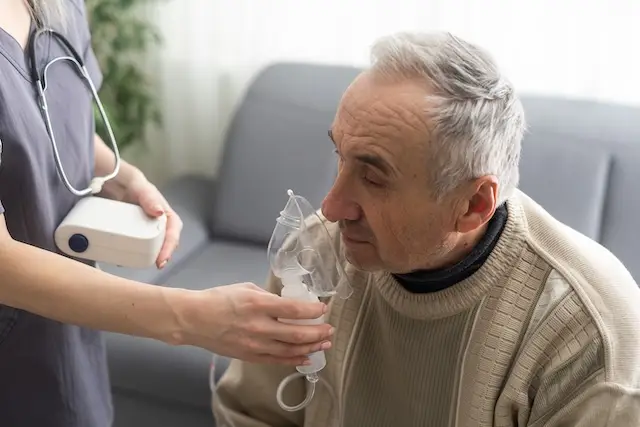
Remote Therapeutic Monitoring reimburses practices for monitoring therapy adherence, therapy response, digital therapeutic intervention, and other non-physiologic treatment data for musculoskeletal and respiratory conditions.
Patients managing musculoskeletal or respiratory conditions where providers are monitoring therapy adherence and response between visits.
Around $54/month for treatment management (98980), plus payment for device setup and supply. See the full breakdown below.
For respiratory and musculoskeletal patients, practices need to know whether patients are following the care plan, whether symptoms are improving, and if recovery is drifting before the next visit.
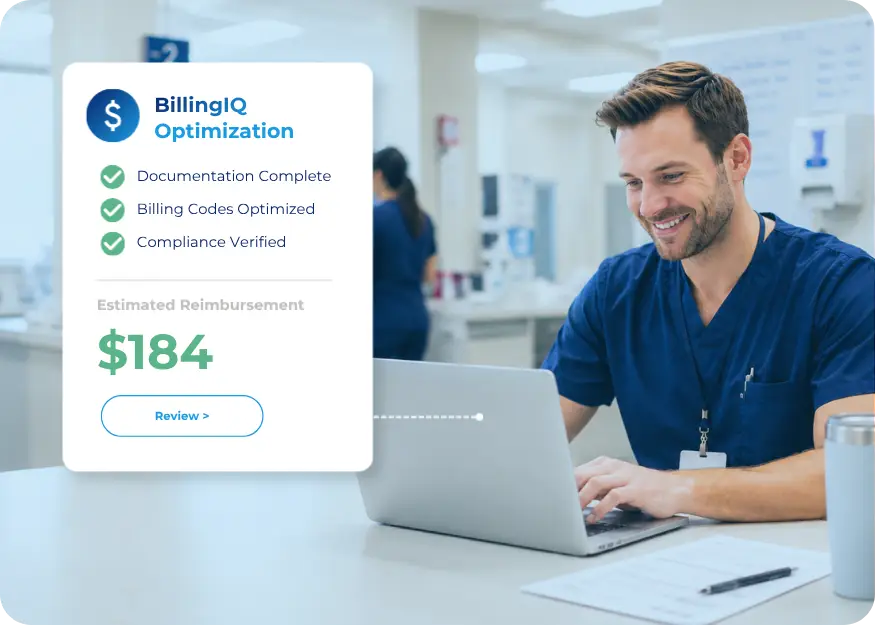
ChronicCareIQ is care management software that keeps therapy response, patient follow-up, documentation, and reimbursement connected in one workflow, so RTM programs can scale alongside the rest of your care-management programs.
How ChronicCareIQ Simplifies RTM
Enroll Patients Into Therapeutic Monitoring
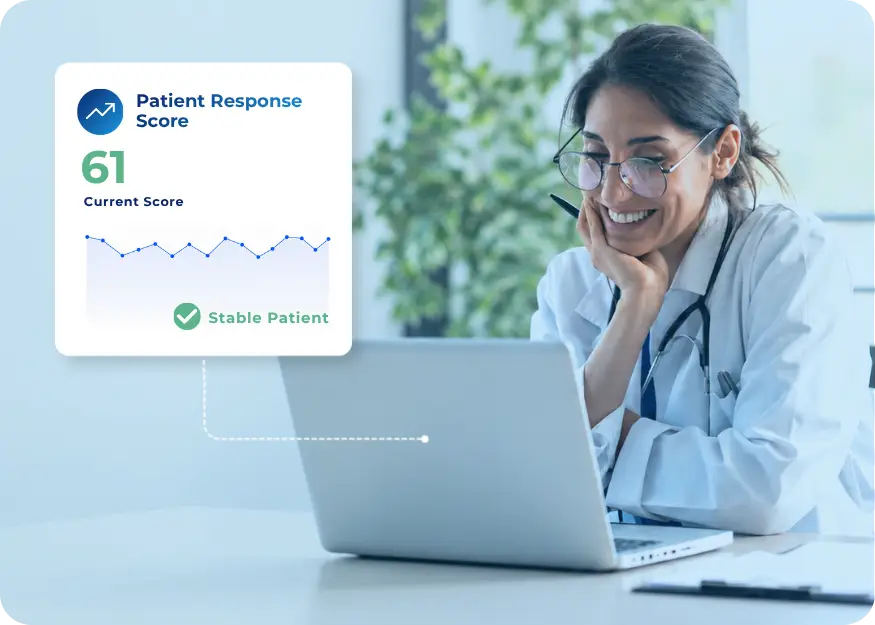
Set patients up to report adherence, symptoms, and therapeutic response for MSK and respiratory treatment plans between visits.
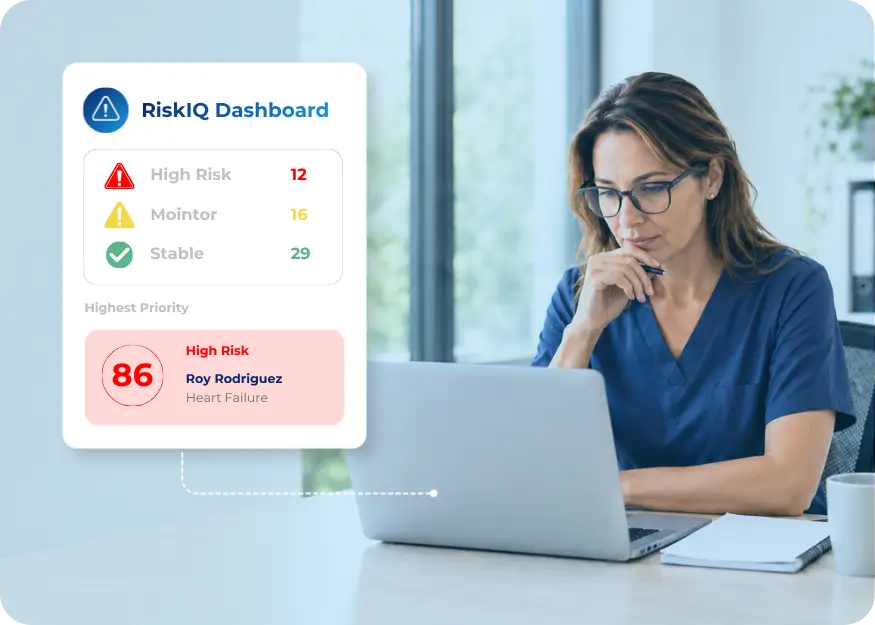
Care teams can monitor RTM patients through ChronicCareIQ’s color-coded RiskIQ dashboard that quickly identifies patients drifting off plan or requiring follow-up.
**Estimated 2026 national non-facility Medicare reimbursement. Actual reimbursement varies by geography, payer, site of service, patient eligibility, documentation, and billing circumstances. This content is educational and is not billing, coding, or legal advice.
Enter your NPI and we'll estimate the recurring monthly revenue your practice could generate from RTM and other programs — based on your real patient population.
Simplifying Respiratory Therapy Monitoring At Scale
7% increase in Medicare reimbursements
MedCorps Asthma & Pulmonary Specialists expanded respiratory monitoring programs and improved reimbursement capture across 1,400+ active patients using ChronicCareIQ.
Improved visibility into therapy response and symptom progression
“Our nurses now are able to see real-time health trends and intervene accordingly. We could never have performed that level of care before ChronicCareIQ.”
Allen L. Silvey, Jr., DO, MedCorps Asthma & Pulmonary Specialists
127
New patients added into monitoring programs monthly
Doctors are not going to be able to live without ChronicCareIQ. The convenience and regular contact with patients is the big key going forward.
Dr. Gary P. JonesThoracic Surgeon, Louisiana Cardiovascular & Thoracic Institute
As a healthcare provider committed to delivering the highest quality of care, ChronicCareIQ has become an indispensable ally in our mission. The platform's impact on patient outcomes, from reducing hospital admissions to enhancing communication and achieving financial success, has exceeded our expectations.
Dr. Jim Carmical MDPrimary Care Physician, Woodside Medical
I’ve really been pleased with our patient retention rate with ChronicCareIQ. Patients are very thankful for it and want to continue using it.
Dr. Brian FlowersCardiologist, Birmingham Heart Clinic
At Chesapeake & Washington Heart Care, we've seen remarkable improvements with ChronicCareIQ. It has greatly enhanced the efficiency of our phone interactions and the promptness in updating patient care. This has been vital in providing timely and effective healthcare services to our patients.
Gina Baxter Chief Operating Officer, Chesapeake and Washington Heart Care
With ChronicCareIQ, we are better in touch with our patients, and patients feel better knowing that they have daily or regular contact with our office. We have also seen a significant decrease in office call volume.
Dr. James WestInternist, Perimeter North Internal Medicine
FAQ
How is RTM different from RPM?
RTM tracks non-physiologic therapy data such as adherence, symptoms, pain, functional response, or respiratory therapy response. RPM tracks physiologic data such as blood pressure, weight, glucose, and pulse oximetry.
Which conditions are the best fit for RTM?
Respiratory and musculoskeletal conditions where the care team is monitoring therapy adherence, symptoms, and response between visits.
Does RTM require a medical device?
RTM generally involves a medical device or software/device workflow used to collect therapy-related data. Practices should confirm specific requirements by payer, use case, and billing guidance.
Can RTM be used with CCM, RPM, or PCM?
Many practices run RTM alongside other care-management programs, but billing depends on patient eligibility, payer rules, timing, documentation, and avoiding duplicate counting of the same activity.
Who monitors RTM responses?
ChronicCareIQ is designed to support in-house care teams by organizing patient-reported data, communication, documentation, and reimbursement workflows. If partner support is available, mention it as optional.