
Advanced Primary Care Management Software For High-Volume Primary Care Panels

ChronicCareIQ helps high-volume Medicare practices organize patients by APCM complexity level, prioritize follow-up across the panel, and capture monthly reimbursement without building workflows around time-tracking thresholds.
4.8
800+ unsolicited patient reviews

What is Advanced Primary Care Management?

Advanced Primary Care Management is a CMS initiative effective January 2025 that consolidates elements of CCM, PCM, TCM, and communication-based services into a population-based model. APCM reimburses practices across a patient panel using three complexity-based tiers instead of monthly time thresholds.
Doctor Touching Patient's Shoulder, Expressing Empathy and Support at Medical Appointment

All primary care patients are grouped into APCM levels based on complexity:

  • Level 1 for those with no or one chronic condition
  • Level 2 for those with two or more chronic conditions
  • Level 3 for Qualified Medicare Beneficiaries with two or more chronic conditions.
It ranges from around $16/month for Level 1 to around $117/month for Level 3 per patient, plus behavioral-health add-ons. See the full breakdown below.

Primary Care Panels Are Too Complex For One-Off Program Workflows

Primary care teams are managing larger and more complex panels, more behavioral-health needs, and more between-visit follow-up than ever. But traditional care-management programs often require teams to manage separate workflows, time thresholds, documentation rules, and patient lists.

APCM can help practices move from one-off program management toward more proactive, panel-based primary care.

How ChronicCareIQ Simplifies APCM

ChronicCareIQ helps practices operationalize APCM around patient complexity, follow-up needs, documentation, and reimbursement.

Organize Patient Populations by APCM Level

Segment patient panels by complexity level and support enrollment without the need for monthly time tracking.
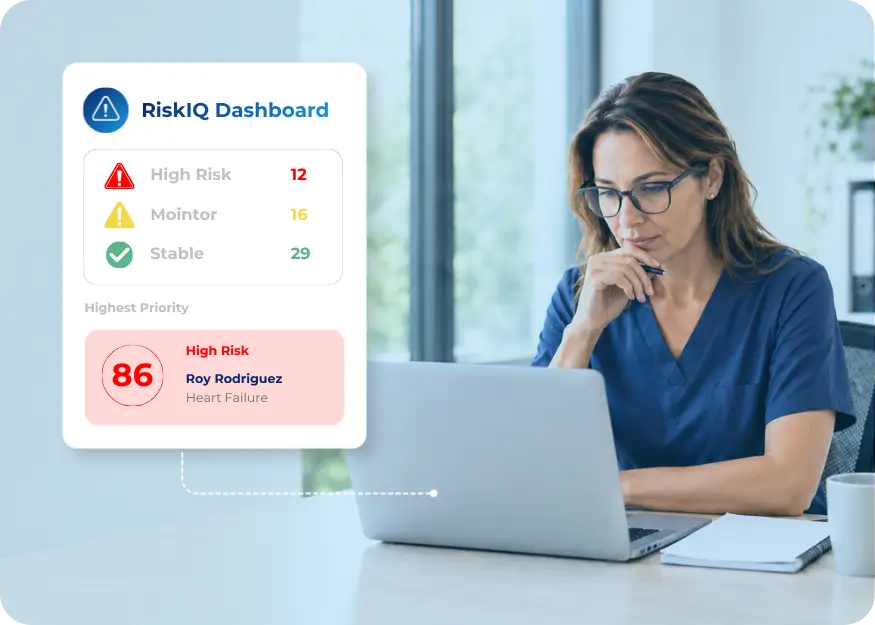
RiskIQ automatically detects rising patient risk in care programs

Prioritize Population-Level Follow-Up Needs

RiskIQ automatically detects rising critical-event risk in APCM patients, helping care teams prioritize who needs attention right now.​

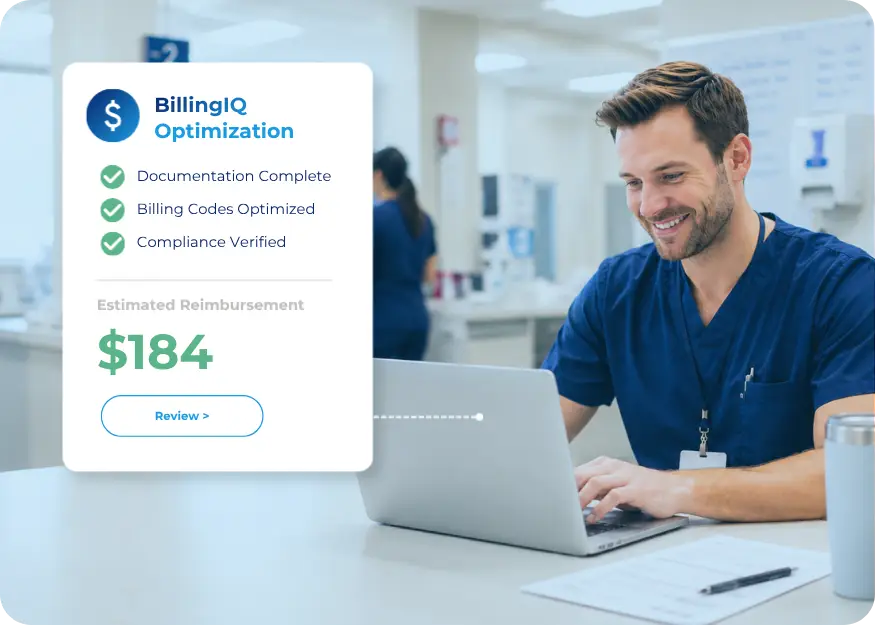
Simplify APCM Reimbursement

ChronicCareIQ captures qualifying care activity and organizes audit-defensible documentation as your team follows up.
Leverages the EHR, phone systems, and connected devices your practice already uses.

Why Care Management Programs Fail As They Grow

How Much Do APCM
CPT Codes Reimburse?

**Estimated 2026 national non-facility Medicare reimbursement. Actual reimbursement varies by geography, payer, site of service, patient eligibility, documentation, and billing circumstances. This content is educational and is not billing, coding, or legal advice.

See Your Reimbursement Potential

Enter your NPI and we'll estimate the recurring monthly revenue your practice could generate from APCM and other programs — based on your real patient population.
Don't Know Your NPI #? Click Here

Designed to support scalable primary care operations

“ChronicCareIQ has given us the ability to pay for the robust care team we need to do modern primary care by automatically capturing the appropriate codes and reimbursement dollars.”
Dr. Carl DeMars, Senior Medical Director, Mid Coast Medical Group

APCM Is Built For Primary Care Panels

APCM organizes whole-panel, population-based primary care under one monthly model with no time thresholds. See how it fits your practice.

When Patients Engage, Care Programs Scale

4.8 stars. 800+ patient reviews. Every rating below is unsolicited.
No incentives. No campaigns.

FAQ

APCM is a monthly, panel-based model that assigns patients to complexity levels and does not require monthly time thresholds. CCM is a time-based care-management model for patients with two or more chronic conditions. ChronicCareIQ helps practices evaluate which model fits their patient population, workflows, and reimbursement strategy.
APCM eligibility may depend on whether the patient has had a qualifying visit with the billing provider within the required timeframe. Practices should confirm current CMS and payer requirements before billing.
APCM is especially relevant for primary care and multispecialty practices managing large Medicare patient panels, chronic conditions, behavioral-health needs, and recurring between-visit follow-up.
Patients are organized by complexity level based on chronic condition count and QMB status. Practices should confirm eligibility, visit history, documentation, and payer rules before billing.
APCM does not use the same monthly time thresholds as CCM or PCM, but practices still need documentation that supports eligibility, care activity, and billing.

APCM may overlap with other care-management programs, but billing depends on patient eligibility, payer rules, timing, documentation, and avoiding duplicate or incompatible billing. ChronicCareIQ helps organize program activity so practices can evaluate the right model.

Build a modern, 
Scalable APCM program

ChronicCareIQ patient dashboard showing a list of patients with their risk status — with color-coded status indicators highlighting patients at high risk (red), moderate risk (yellow), and stable (green).